
Featured News
News



Food is Life, Food is Health is an annual gathering of chefs, physicians and allied healthcare professionals, nutrition scientists, and sustainability experts learning and working together—side-by-side—across disciplines to transform the future of personal and planetary health. Click here to register.
We’ve all heard the adage, “An apple a day keeps the doctor away.” But despite the common-sense connection between diet and health, until recently, nutrition hasn’t been a core focus of modern medicine.
Matching grant from Weill family creates collaborative research hub, uniting scientists from Stanford Medicine and UCSF to transform cancer care within a decade.
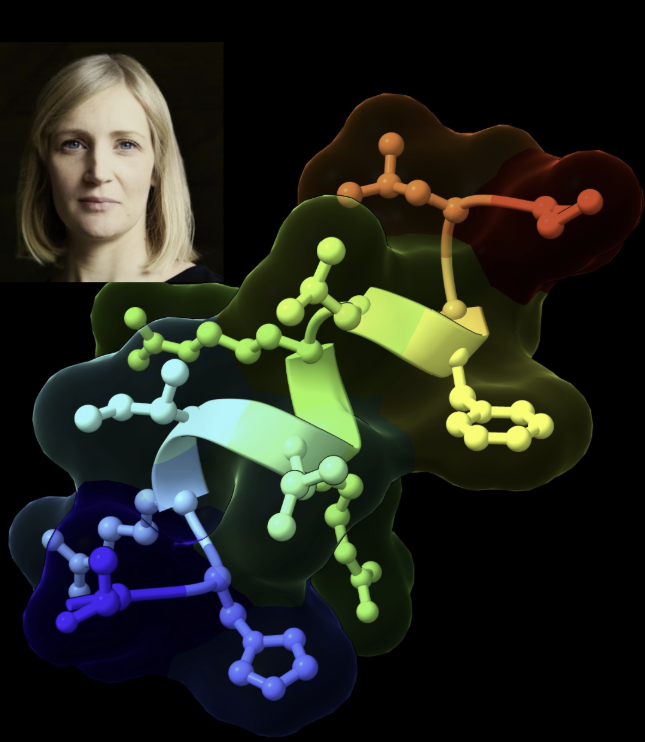
Using an AI-based algorithm, Katrin Svensson, PhD, and lead researcher Laetitia Coassolo, PhD, identified a 12-amino acid peptide that suppresses appetite and promotes weight loss in mice and minipigs by activating different metabolic and neuronal pathways than GLP-1.
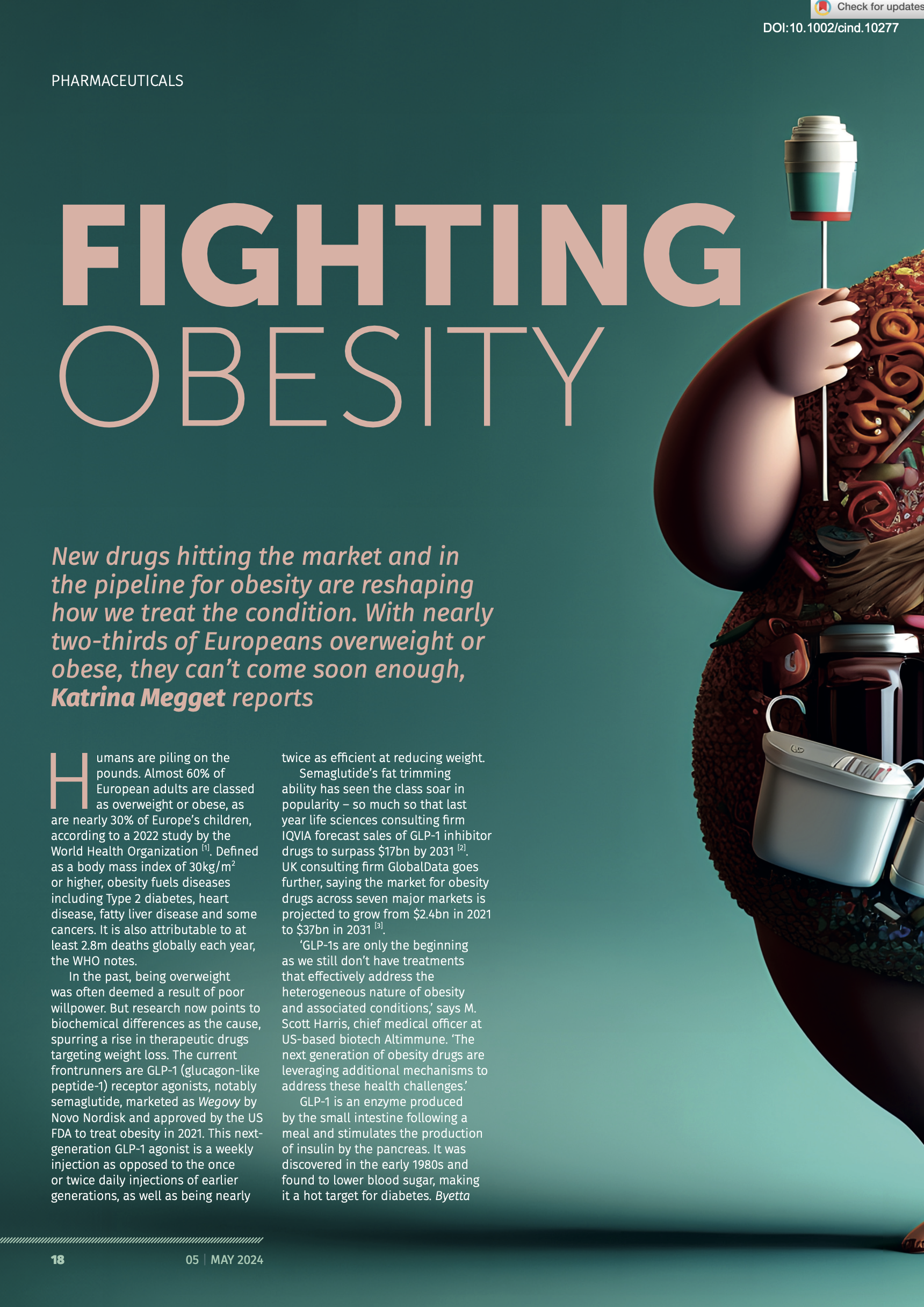
New drugs hitting the market and in the pipeline for obesity are reshaping how we treat the condition. With nearly two-thirds of Europeans overweight or obese, they can’t come soon enough, Katrina Megget reports.
It takes mere minutes to calculate your body mass index, more commonly known as BMI, by using your height and weight. With countless online charts, you can find out not only what your BMI is, but which of its categorical classifications you fall into: underweight, normal, overweight or obese.
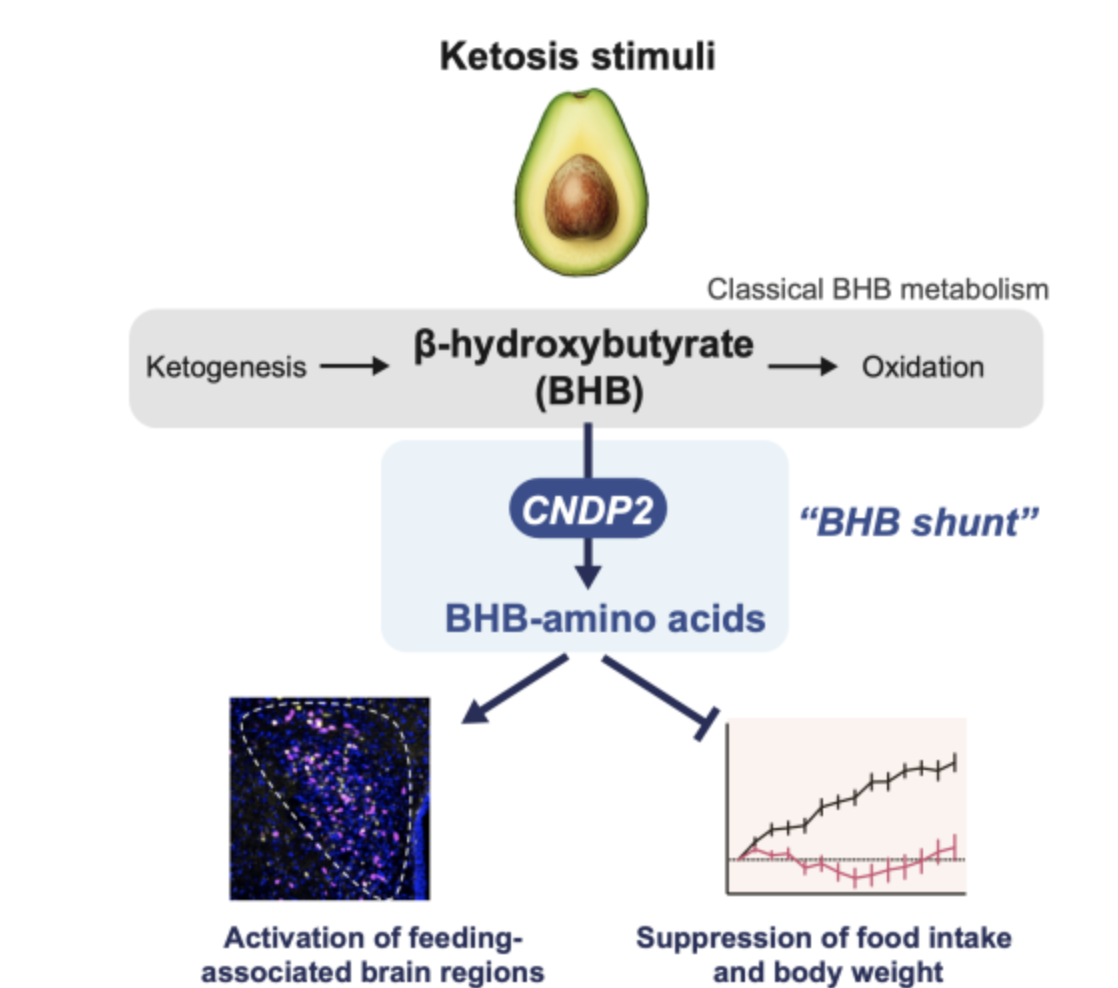
A team at Stanford University has discovered a new metabolic pathway in mice that could play a significant role in weight management and energy balance.